
Wind on your plotter. Right on a rotating mast.
NMEAkit puts OpenWind data on your NMEA 2000 network. NMEAString adds the mast angle for boats with a rotating mast.
Bluetooth in, NMEA out
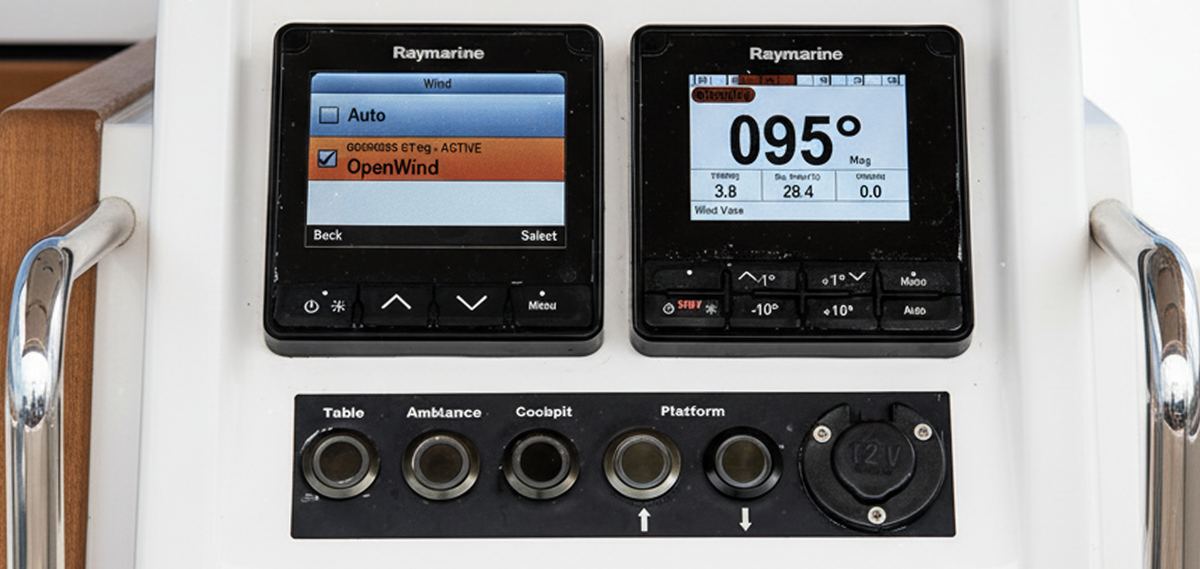
NMEAkit receives OpenWind by Bluetooth and writes wind, heading and attitude to the network. Your existing plotter and instruments show it like any wired sensor.
Bluetooth
Receives OpenWind wirelessly. Your phone and watch keep working alongside it.
NMEA 2000
Choose which values go out in the app under Devices → NMEAkit.
Depth map
Record your own depth map in the app with depth from the network.
NMEAkit and NMEAString in use
NMEAkit sits anywhere within Bluetooth range and plugs into your backbone. Wind from OpenWind then shows on Raymarine, Garmin, B&G and every other NMEA 2000 display.
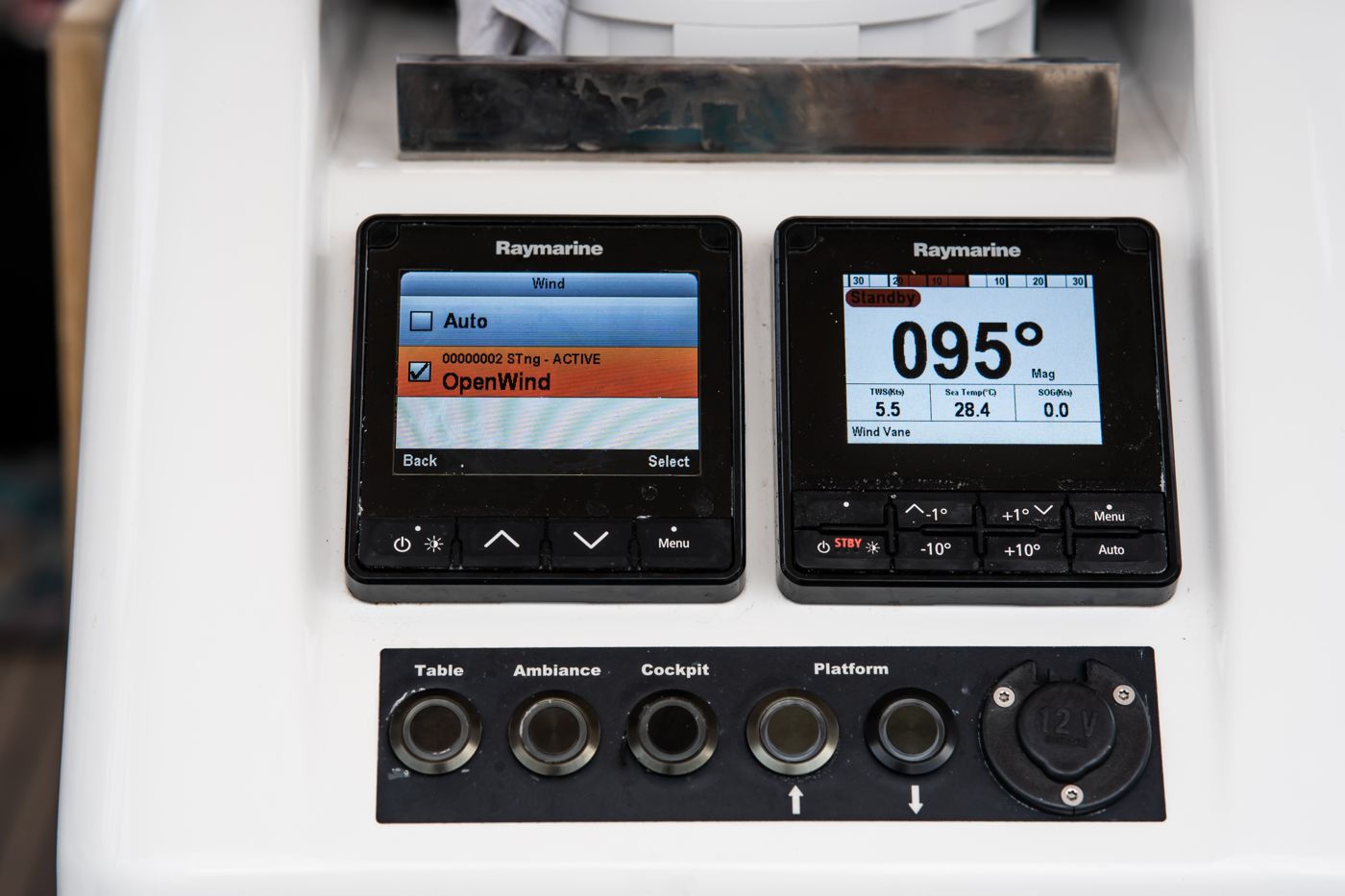
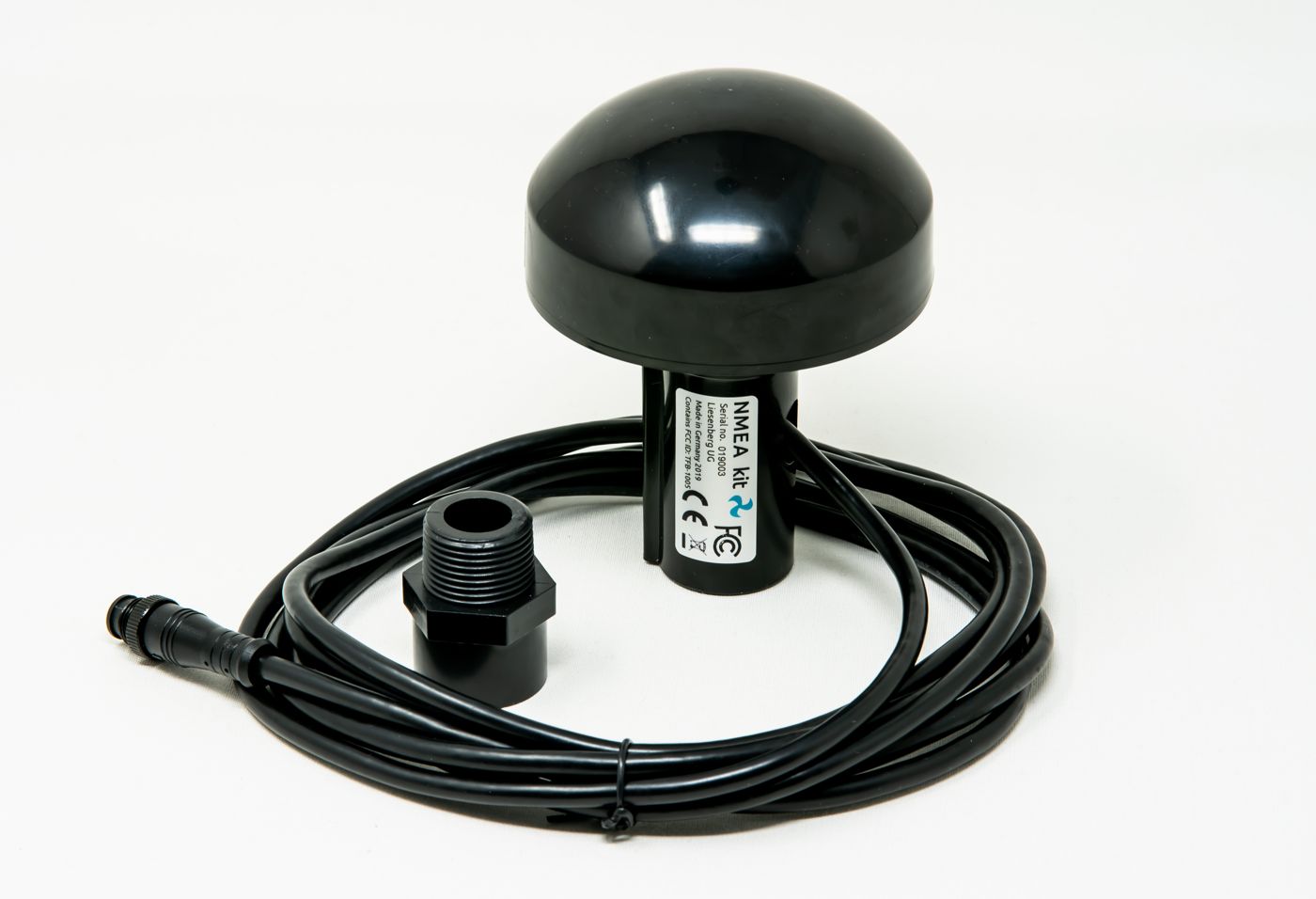
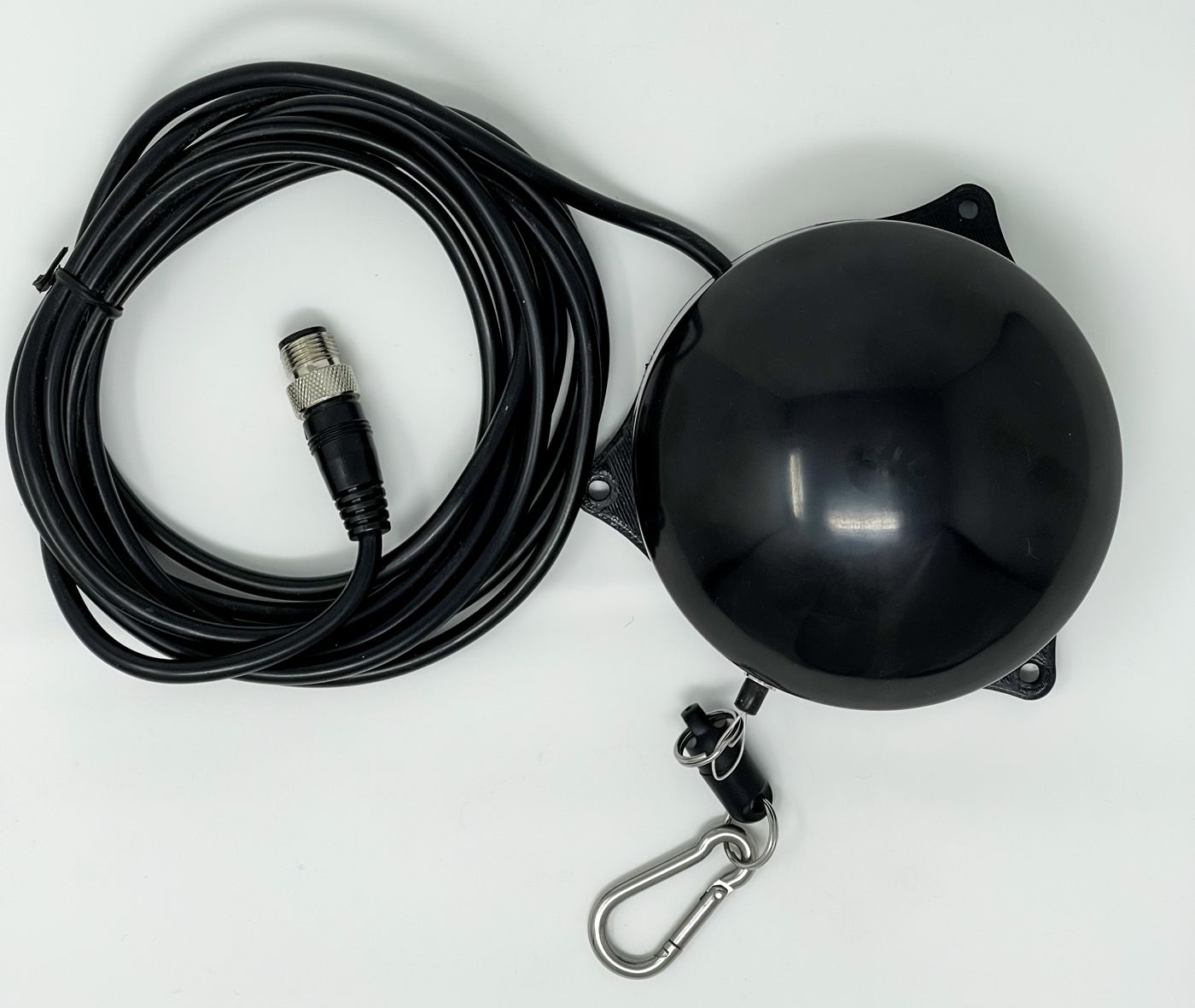
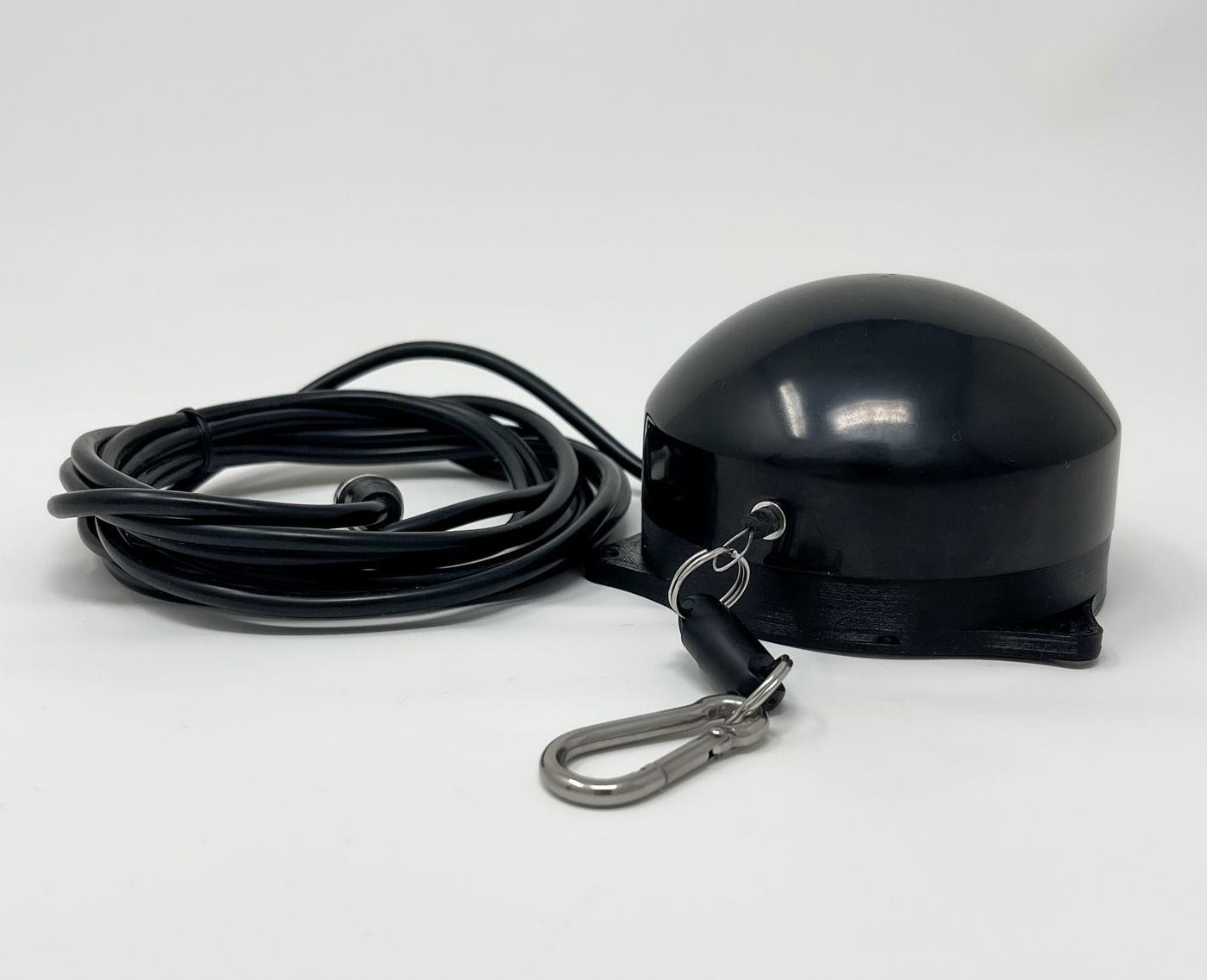
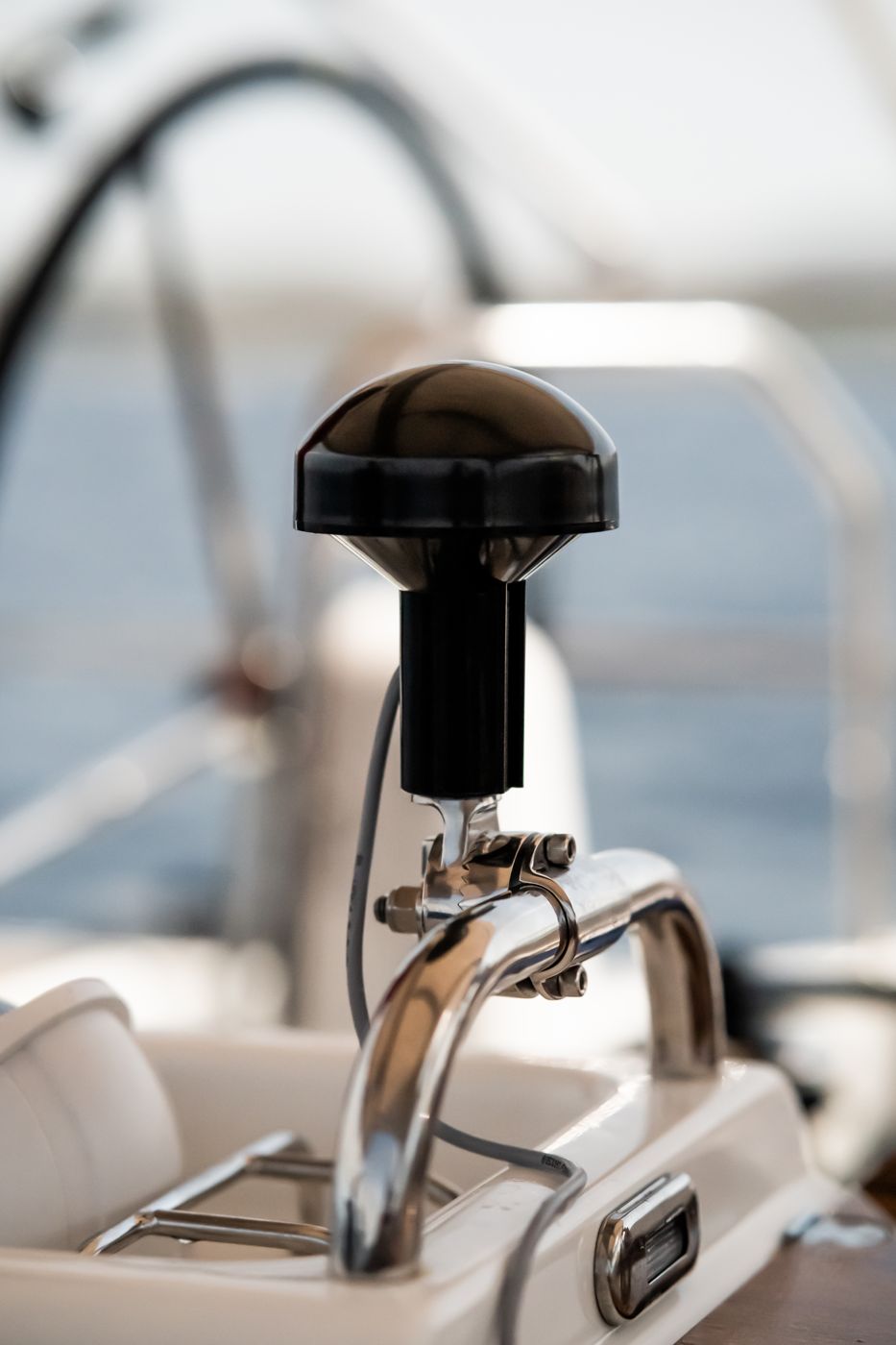
Choose what goes on the network
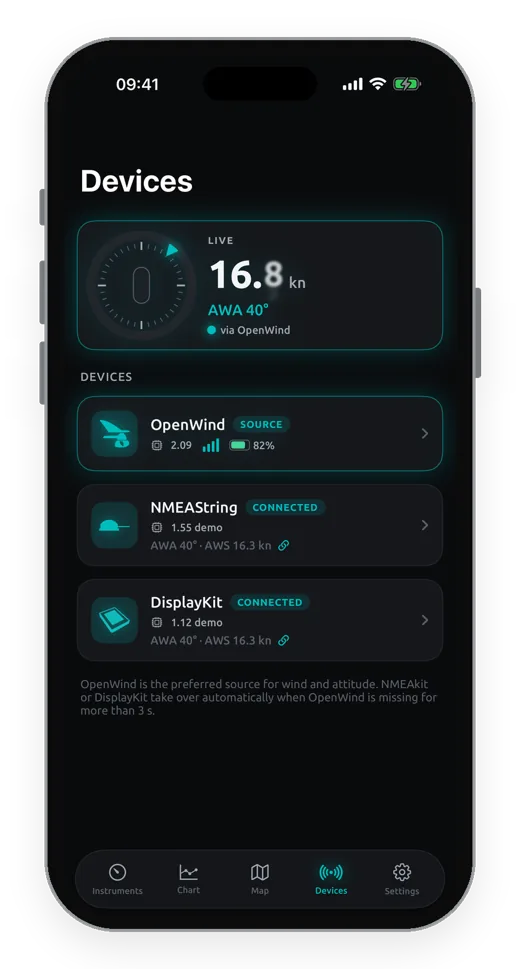
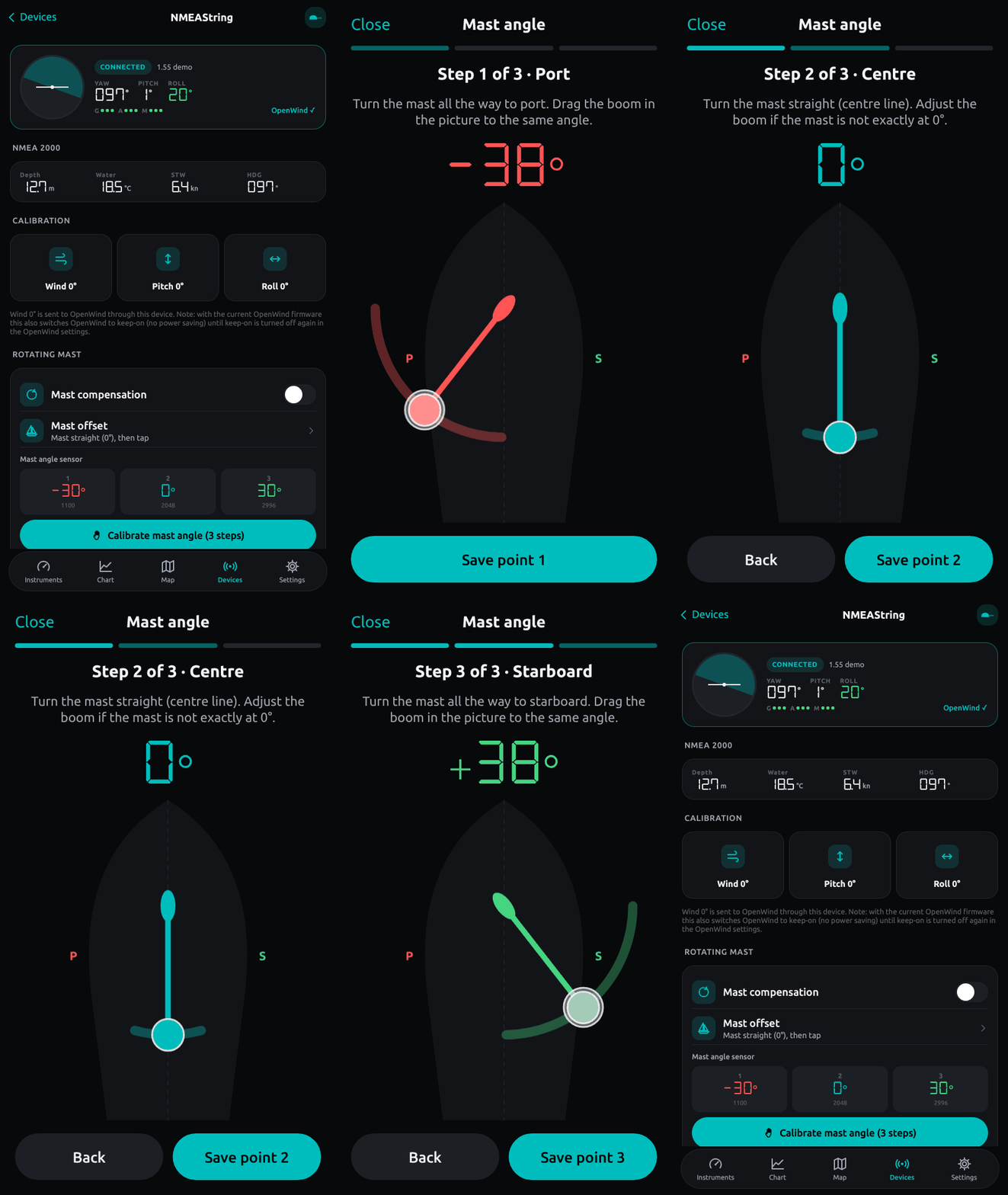
Under Devices → NMEAkit pick which values are sent to NMEA 2000, set the mast angle for NMEAString and update the firmware. The calibration takes three taps.
How mast compensation works
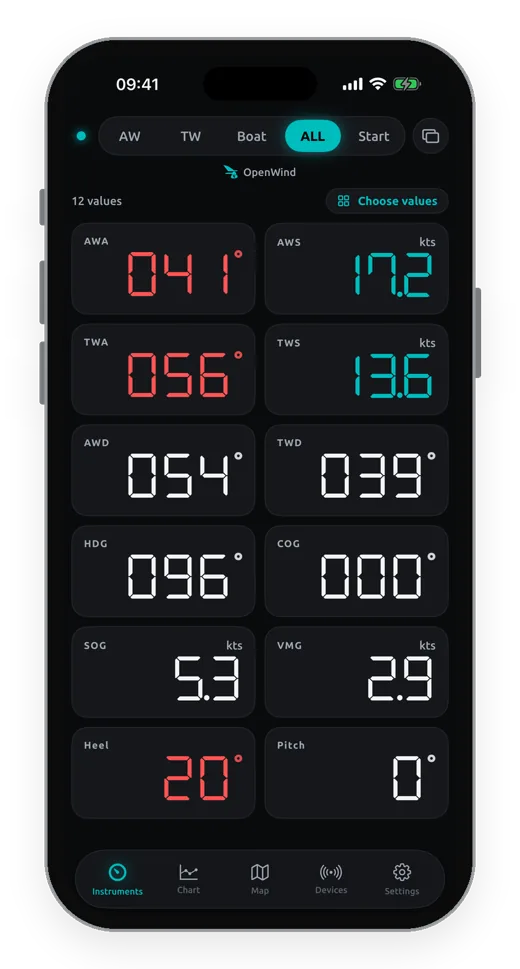
The sensor turns with the mast. NMEAString measures how far the mast is turned and sends it to OpenWind. OpenWind adds that angle back and broadcasts the corrected wind angle to the app, watch, DisplayKit and NMEA network, so every display refers to the bow.
Keep your displays, add OpenWind and NMEAString
Put OpenWind on the masthead and NMEAString on your NMEA 2000 network. NMEAString measures the mast angle and sends it to OpenWind, OpenWind corrects the wind angle, and NMEAString puts the corrected wind onto the network, so the plotter and instruments you already have show the right angle.
NMEAString
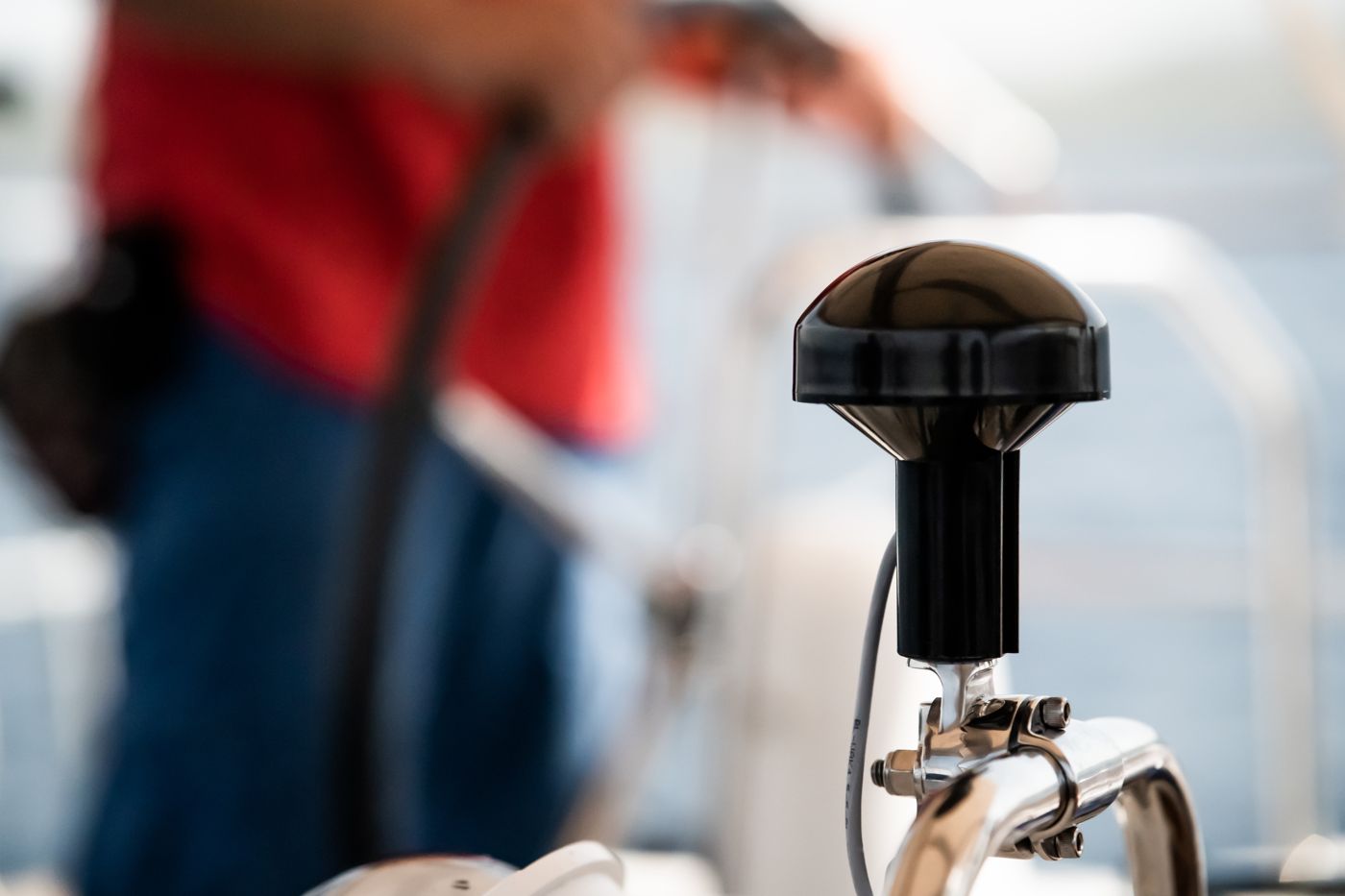
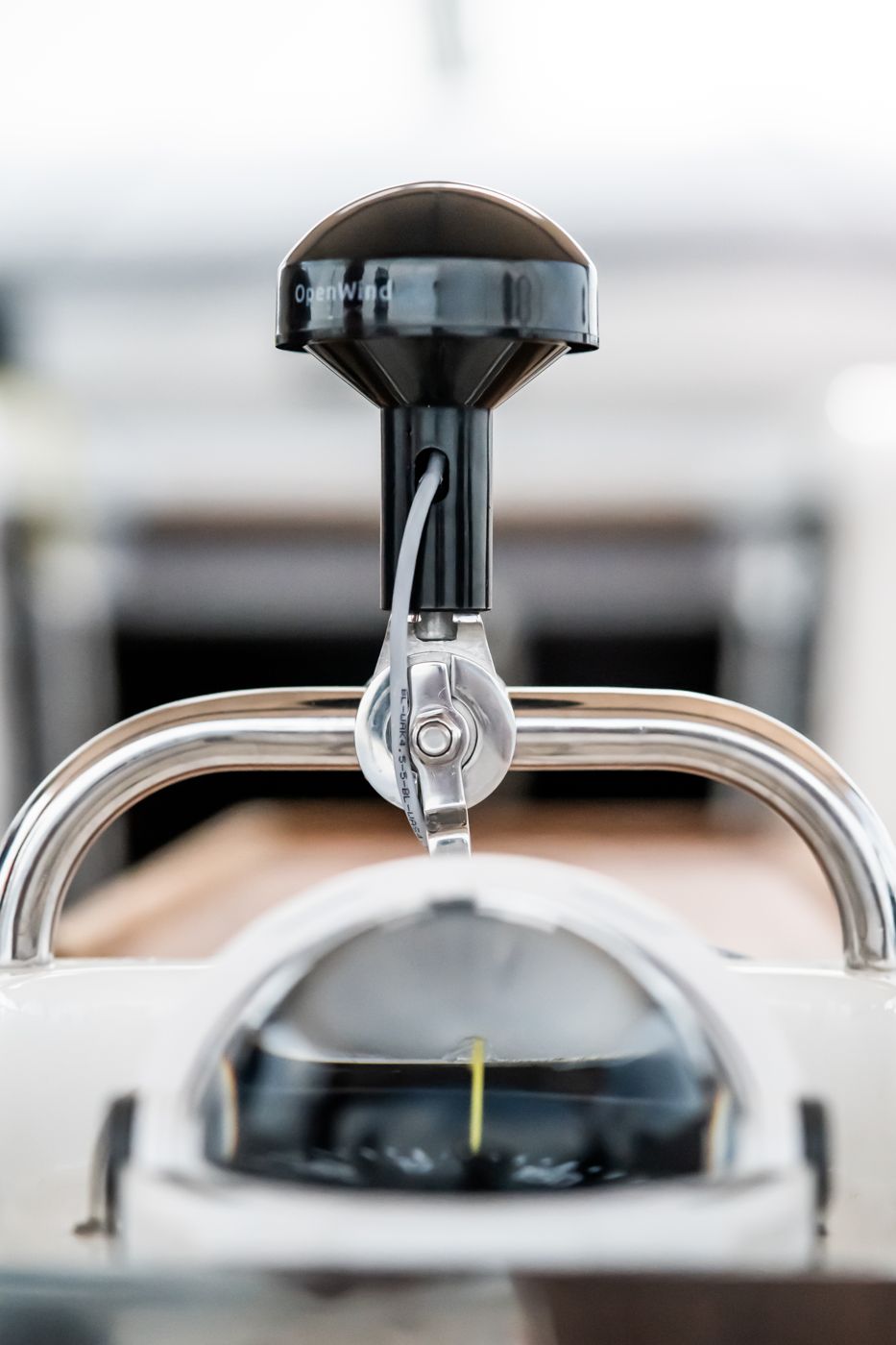
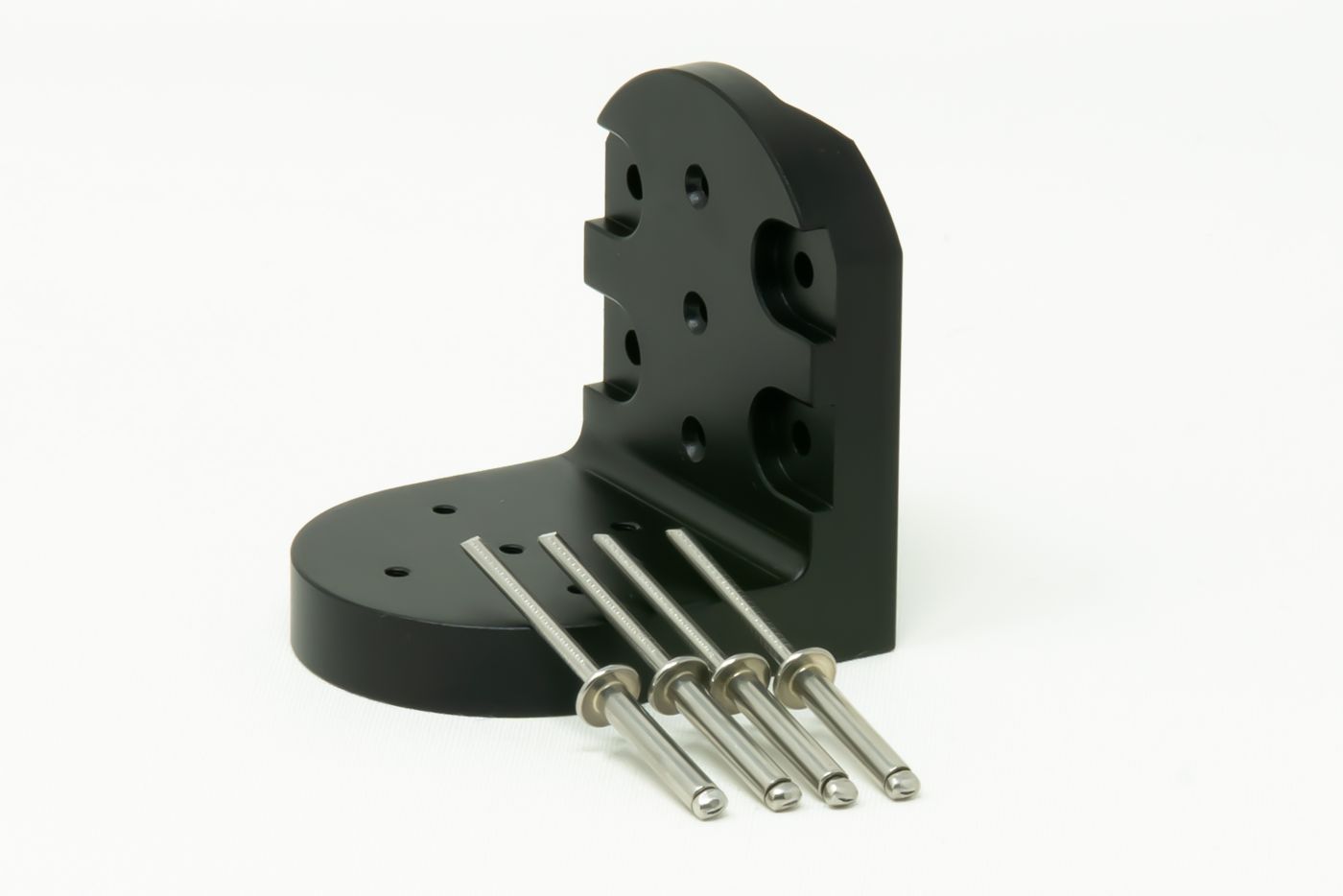
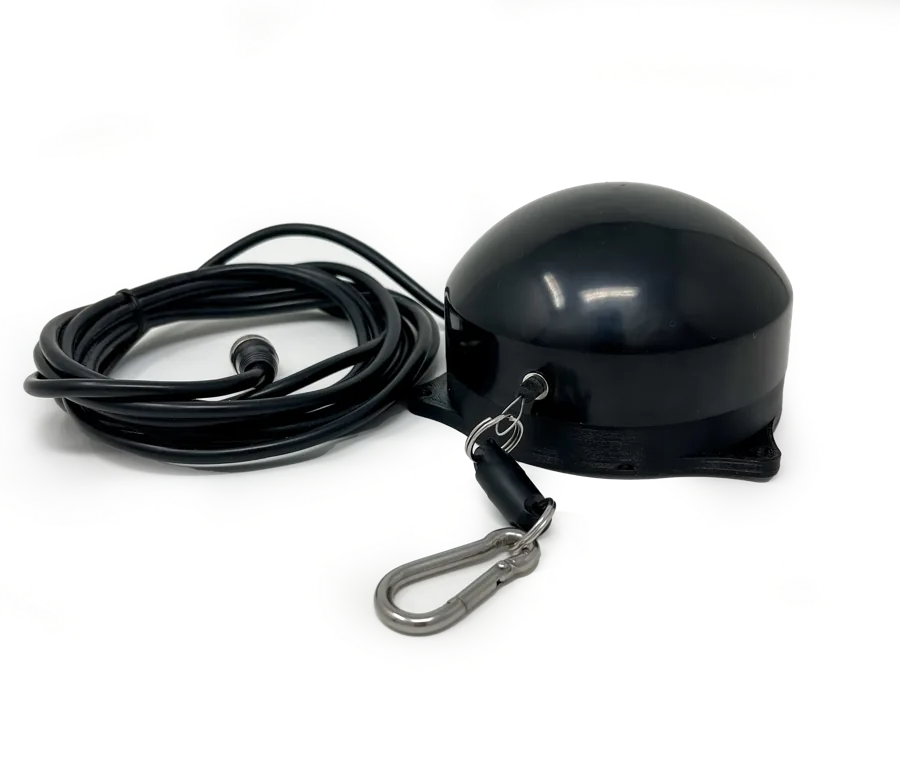
Mast angle sensor with cable. It links to your NMEA network and is set up in the OpenWind app.
Recent Comments